New PANGEA website New
This site will share progress on Phase 1 planning, governance and ways to take part. Scoping materials remain at tropicalforestscoping.com.


PANGEA is a NASA-led, multi-scale field campaign investigating how tropical forests respond to climate and land-use change, and what those changes mean for the planet.
PAN-tropical investigation of bioGeochemistry and Ecological AdaptationTropical forests regulate global carbon and water cycles and hold much of the world's biodiversity. They are changing fast, and they are not all changing the same way.
In 2024, a community of more than 800 people from 396 institutions scoped a new NASA field campaign for the tropics. That work produced the PANGEA White Paper and a shared set of science priorities.
PANGEA is now preparing its Concise Experiment Plan for Phase 1, focused on Central Africa and the Congo Basin. The campaign will link ground measurements with airborne and satellite observations and models, building on NASA campaigns such as ABoVE, LBA and BOREAS.

PANGEA established five core objectives to guide science and action.
Characterize and quantify heterogeneous tropical forest responses to anthropogenic changes.
Address calibration, validation, and algorithm development needs to ensure measurements can be accurately retrieved from satellite remote sensing datasets over the tropics, advancing their global utility.
Constrain model uncertainty of predictions of tropical biogeochemical cycles, biodiversity, and forest–climate feedbacks by improving process understanding and advancing remote sensing data–model integration.
Develop new capabilities for monitoring biomass, biogeochemical cycling, biodiversity, and agriculture using satellite remote sensing, and support the development of tools to translate science into action.
Train the next generation of scientists and leaders to continue this essential work beyond PANGEA.
How vulnerable or resilient are tropical forest landscapes to natural and human-driven change, and what are the feedbacks to global biogeochemical cycles?
Defined by the PANGEA community during scoping, and studied through three lenses: mapping current patterns, understanding processes, and projecting future change.
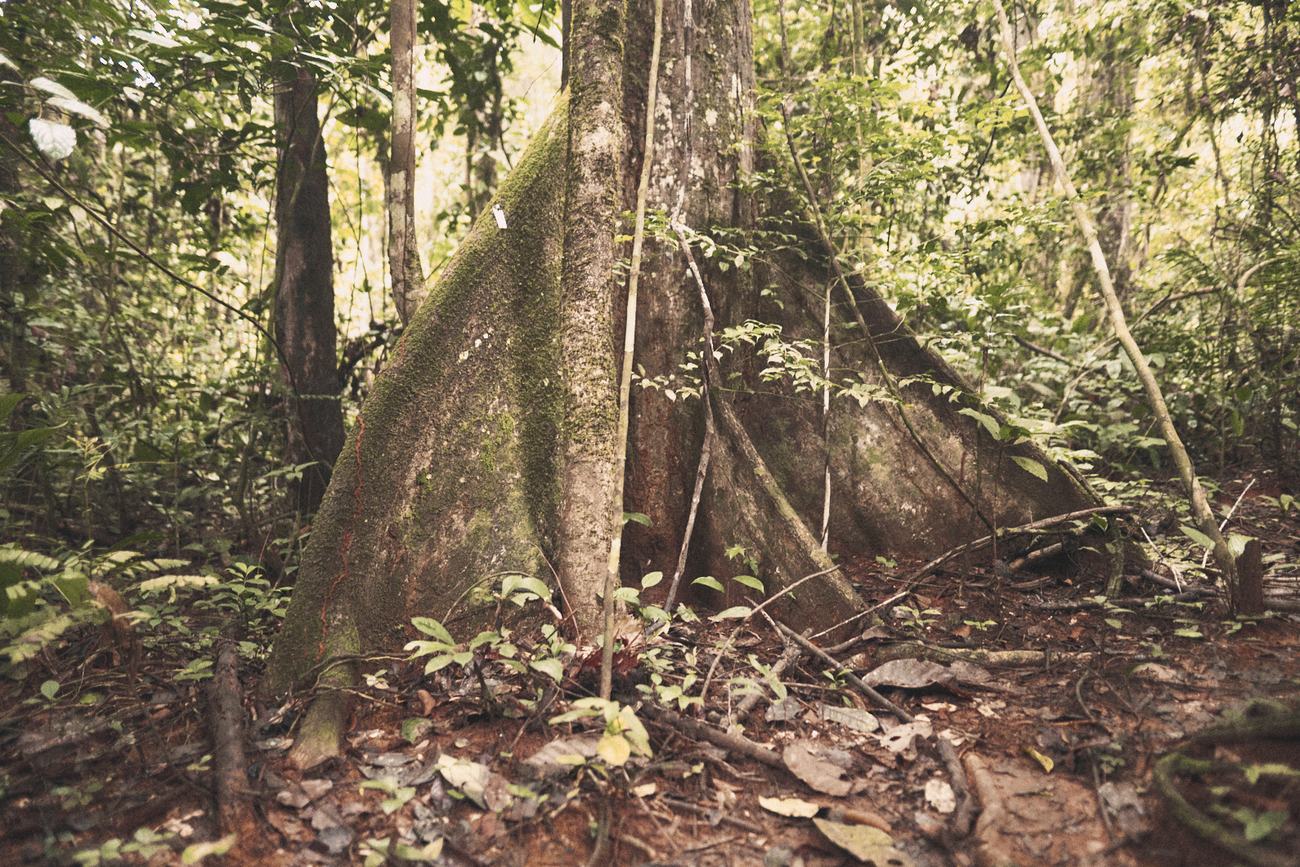
Biomass, carbon and nutrient fluxes, wetlands, and soil–vegetation links.
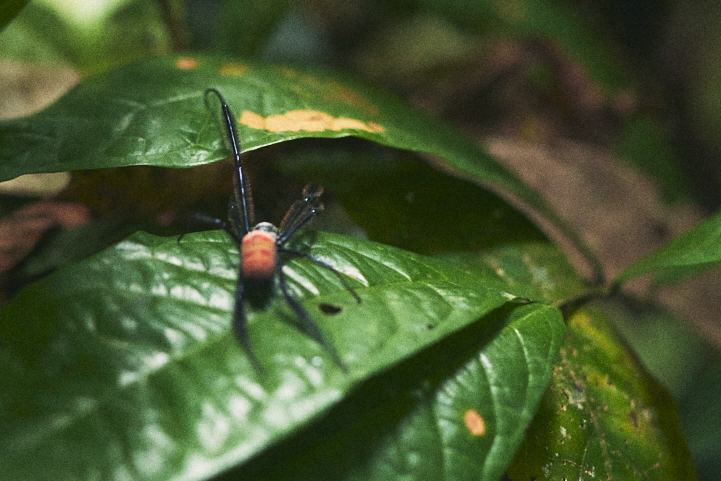
Plant traits, life forms, and the plant–animal–microbe interactions behind ecosystem function.
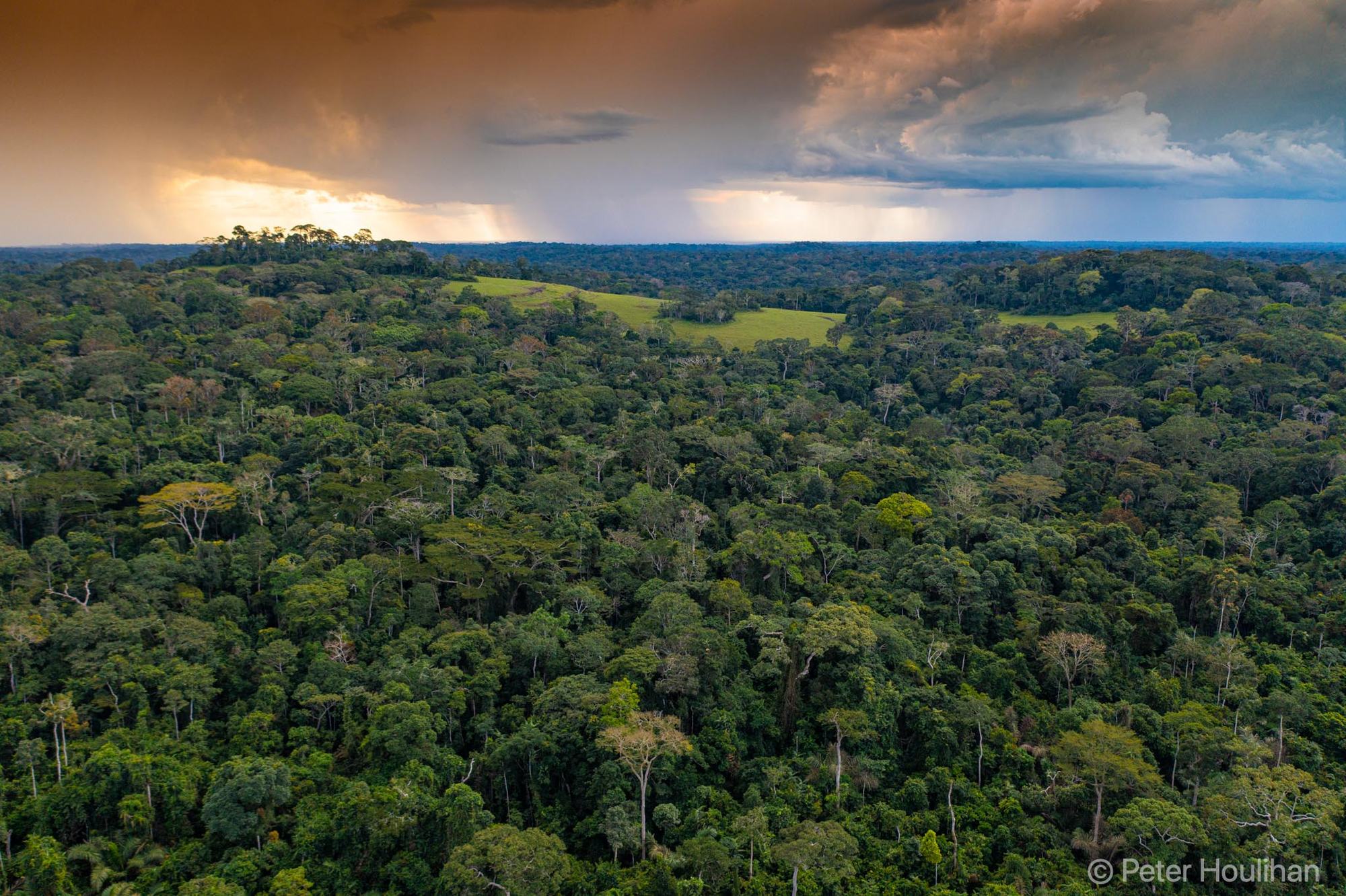
Rainfall recycling, evapotranspiration, and hydroclimatic thresholds.
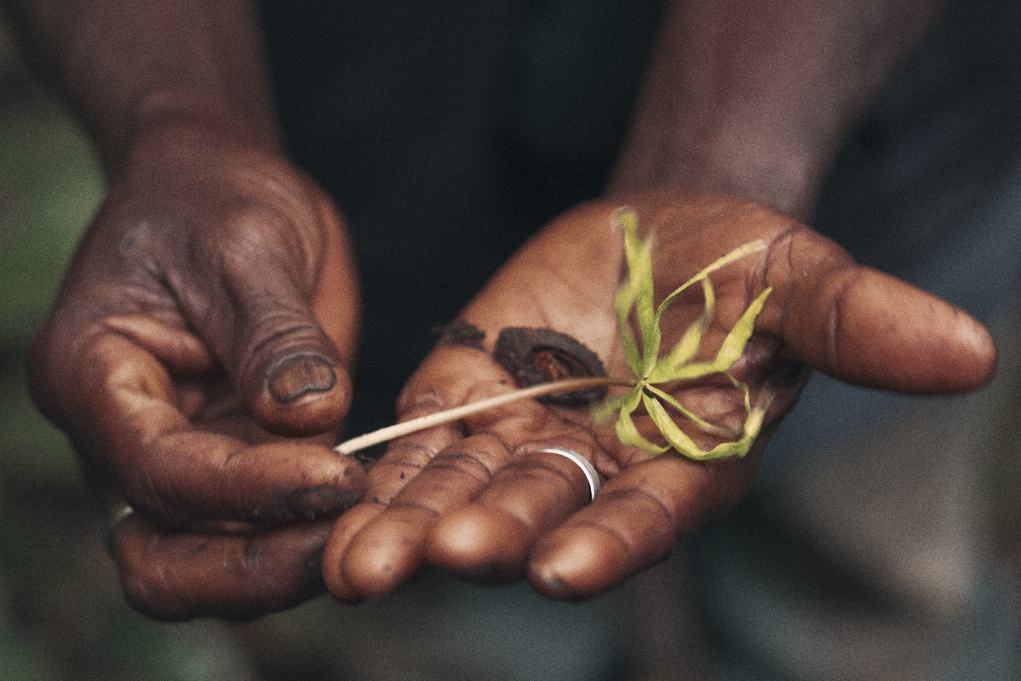
Land use, community stewardship, and the two-way links between people and forests.
Deforestation, degradation, fire, drought and storms, and how forests recover.

PANGEA science spans the atmosphere, biosphere and sub-surface, with a path from observation to impact.
PANGEA connects what happens to a single tree with what satellites see across a continent, then feeds those observations into models.

Regional and pan-tropical coverage, with field data supporting calibration, validation and new algorithms.
NASA aircraft map whole landscapes in detail, bridging field plots and satellite pixels.
Continuous measurements of carbon, water and energy exchange between forest and atmosphere.
Plots, traits, soils and biodiversity surveys, led with regional partners.
Data synthesis and modeling to reduce uncertainty in projections of tropical forest change.
PANGEA's goals reach beyond what any single funder can support. The campaign is organized as two connected pillars that share science priorities, norms and a commitment to impact.
The Earth Observation component: NASA's field campaign, with airborne data, core infrastructure and logistics.
Projects supported by non-NASA funders and institutions, taking full part in PANGEA and widening its reach.
EO and Alliance leads set campaign priorities together.
NASA-funded and partner-funded projects work as one team.
More detail on the team will be shared as it becomes available.
800+ participants shape the science; White Paper submitted to NASA.
Phase 1 plan in development, focused on Central Africa.
Initial flights and field work in Central Africa.
PlannedLater phases guided by what Phase 1 learns.


This site will share progress on Phase 1 planning, governance and ways to take part. Scoping materials remain at tropicalforestscoping.com.
The Science Definition Team is drafting the plan with input from the Alliance Steering Committee, focused on Central Africa and the Congo Basin.
NASA brought Terrestrial Ecology, Land-Cover/Land-Use Change, Biological Diversity and Ocean Biology into one Biosphere Program, PANGEA's new home.
The PANGEA Scoping Study was delivered to NASA Headquarters. Read it on the scoping site.
PANGEA depends on a broad, international community. Researchers, institutions and funders can all take part.